

Have you ever felt the rush of cruising down a winding gravel path, feeling every pebble and grit under your wheels, and thought, “How do I keep my bike in this exhilarating condition?” Well, you’re in the right place. Gravel biking combines the thrill of off-road adventures with the challenge of navigating through unpredictable terrains. To ensure your gravel bike can withstand the test of time and terrain, it requires regular maintenance, much like a car needs oil changes. Let’s dive into the nitty-gritty of gravel bike upkeep, shall we?
Understanding Your Gravel Bike
Picture this: you are rushing down a curving gravel pathway, experiencing every little pebble and grit underneath your tires, and you think “how do I get to keep it like this?” you have come to the right place. Gravel biking bridges wild adventures with rugged terrains. If you are going to be doing that, you might as well get it right. Just like the way you get your car to the mechanics for an oil change, is how you make sure your gravel bike can meet the test of time, to face the test of terrain . Let us deep-dive.
Cleaning: The First Step to Maintenance
Think of your bike as that loyal steed that’s seen you through thick and thin. You wouldn’t want your trusty stead to be dirt and all covered in nits, right? Your bike deserves the same level of cleanliness. Most of all after those wet and muddy rides – a layer of gunk will work its way into the moving parts and quickly wear components down. Use a soft soap and water , but be warned: do not get carried away. A high pressure hose can force water into the bearings and cause some irreparable damage.

Lubrication: The Lifeblood of Your Bike
Lubrication, think of your bike in the same way that you do human in terms of water, it must be sated. It lessens matting and grating, evades rust, and makes your ride more pleasant. Concentrate on the chain, derailleur, and any other moving parts, but don’t forget that a lost measure is better than finding too much. Over-lubrication can trap dirt and accumulate debris, rendering it counterproductive.
Tire Care and Maintenance
The only thing connecting you to the ground is your tire. As a result, it is the most important part of cycling. Inspect them frequently for damage; ensure that they are fully stuffed but relaxed; and don’t neglect the ground you’re using; soft surfaces need lower pressure for better grip. However, it is best to keep the pressure within the appropriate range since it is easy to cut.

Brake System Maintenance
When you are zipping downhill, the brakes are your best companion. To keep them in top shape, take time to examine the brake pads to see if they are worn out and ascertain that the cables are not frayed, and the hydraulic system is adequately bled. Good breaks carry the day between a good ride and a fatal fall.

Drivetrain Cleaning and Lubrication
The drivetrain is the heart of your bike’s propulsion system. Keeping it clean and well-lubricated ensures efficient transfer of power from your legs to the wheels. A dirty drivetrain wears out faster and works less efficiently, making your rides harder and potentially more costly in the long run.
Checking and Adjusting the Suspension
If your gravel bike boasts a suspension system, you need to make sure that it gets a through checkup and adjustments. A well-tuned suspension system dampens the impact, adds comfortability, and overall control of the bike. Think of it this way – imagine jumping and having your knees get the shock of landing. However, when they bend, everything plays out the way it should, and it feels better.

Gear and Shifter Adjustments
Smooth shifting is another great example. The tuning of gears and shifters needs to be correctly aligned so that they respond to you . It is as if they were your voice in a conversation.

Regular Inspection and Professional Checks
Sometimes letting the experts do their job is the best solution. A professional will conduct regular check-ups and monitor your bike’s optimal condition while detecting certain issues that we might overlook. An indirect analogy might be doctor visits.
Storage Solutions for Your Gravel Bike
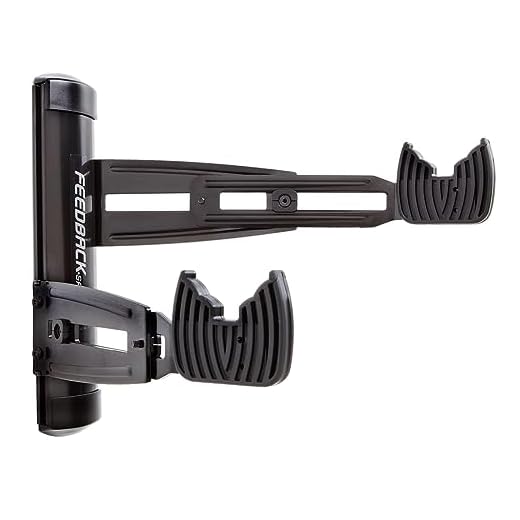
Proper bike storage eliminates needless wear and tear. Leaving it in a clean, dry room for additional storage, or hanging it to reduce space and protect components, can be compared to providing your bike with a separate cozy room.

Upgrading Components for Better Performance
Finally, as you and your bike continue to grow together, you may want to improve some of your bike’s features for greater effect. Lighter wheels, a more comfortable saddle, or a better gearing mechanism are just a few of the options available to you. . Taking care of your gravel bike is about honoring the past rides and getting ready for new excursions. When properly maintained and cared for, your gravel bike will provide you with more memorable and comfortable rides. , it means you should expect plenty more miles of gravel grinding to come.

Best Products for Gravel Bike Maintenance




FAQs
- How often should I clean my gravel bike?
- After every muddy ride or every few rides in dry conditions. Regular cleaning prevents buildup that can damage components.
- What’s the best way to lubricate my bike?
- Use bike-specific lubricants and focus on the chain, derailleur, and any moving parts. Avoid over-lubricating to prevent attracting dirt.
- How do I know if my brake pads need replacing?
- Check the thickness. If they’re worn down to less than 1/4 of an inch, it’s time for a change.
- Can I adjust my bike’s suspension on my own?
- Yes, but it requires some knowledge. Start with the manufacturer’s recommendations and adjust based on your weight and riding style. When in doubt, consult a professional.
- When should I bring my bike to a professional for a check-up?
- At least once a year or more frequently if you notice any issues or if you’re a heavy rider. Regular professional check-ups can catch problems early and keep your bike running smoothly.